
Could Your Headaches, Neck Pain, or Jaw Pain Be Caused by TMJ?


Do you wake up with a sore jaw, frequent headaches, or tightness in your neck and shoulders? Maybe your jaw clicks when you chew, or you catch yourself clenching your teeth throughout the day.
If any of these sound familiar, your jaw could be the missing piece.
At MÜVE Massage Therapy Studio in Kitchener Waterloo, we often treat clients who come in for headaches, neck pain, or shoulder tension. During the assessment, we sometimes discover that the muscles around the jaw are extremely tight. Many clients are surprised to learn that their symptoms may be connected to TMJ dysfunction.
What is TMJ?
TMJ stands for the temporomandibular joint. It is the joint that connects your jaw to your skull and allows you to talk, chew, yawn, and swallow. Because this joint works closely with the muscles of your face, head, neck, and shoulders, tension in one area can affect the others.
When these muscles become overworked from clenching, grinding your teeth, stress, poor posture, or repetitive strain, they can contribute to pain, headaches, and restricted movement.

Signs Your Jaw May Be Contributing to Your Symptoms
You may benefit from a TMJ assessment if you experience:
Frequent headaches
Jaw pain or tenderness
Clicking or popping when opening or closing your mouth
Pain while chewing
Neck pain or stiffness
Facial tension or aching
Ear discomfort without an ear infection
Teeth grinding or jaw clenching, especially during sleep
Limited jaw movement or difficulty opening your mouth fully
Many people experience several of these symptoms without realizing they may all be connected.
How Can Massage Therapy Help?
Registered Massage Therapy focuses on reducing tension in the muscles that support the jaw while also treating the surrounding muscles that work together as one system.
Treatment may include the muscles of the jaw, face, temples, head, neck, and upper shoulders. By reducing muscle tension and improving mobility, massage therapy may help decrease discomfort, improve jaw movement, and reduce the strain contributing to headaches, jaw pain, and neck pain.
Why Does Clenching Cause So Many Problems?
Imagine squeezing your hand into a tight fist for hours every day.
Eventually your hand would become sore, tired, and stiff.
The same thing happens with your jaw.
Many people clench without realizing it. It often happens while concentrating at work, driving, exercising, dealing with stress, or sleeping. Over time those muscles become overworked, creating tension that can spread into the face, temples, head, neck, and shoulders.
What Happens During a TMJ Massage?
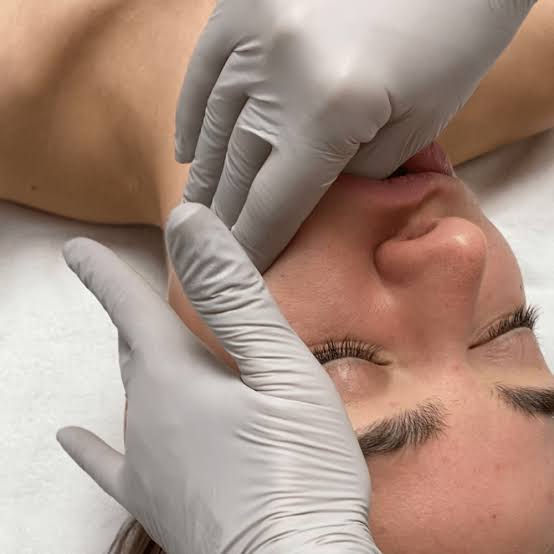
Every treatment begins with an assessment so we can understand your symptoms and identify the muscles contributing to your discomfort.
Your treatment may include massage to the jaw, face, neck, shoulders, and upper back, along with gentle stretching and techniques to improve mobility. We will always explain the treatment and ensure you are comfortable throughout the session.
You Do Not Have to Live With Jaw Tension
TMJ dysfunction is more common than many people realize, and it is often overlooked as a source of headaches, neck pain, and facial tension.
Massage therapy can be an excellent complement to dental care and other healthcare treatments when appropriate by addressing the muscular component of TMJ dysfunction.
If you have been living with these symptoms, it may be time to look beyond where the pain is felt and consider where it is coming from.
Wondering if TMJ may be contributing to your symptoms?
Our Registered Massage Therapists can assess your symptoms and determine whether the muscles around your jaw may be contributing to your discomfort.
If you are looking for TMJ massage in Kitchener Waterloo, we would be happy to help.
Book your appointment today and let us help you feel better, move better, and get back to doing the things you enjoy.



Comments